



In Ethiopia today, anyone trying to conduct research, run a basic Google or AI search, or make informed decisions will quickly run into a wall: disorganized, outdated, or entirely missing data. In many cases, the data doesn’t exist because no one has studied the issue. Other times, the data exists but remains offline and out of reach. In the best-case scenario, you’ll find fragmented pieces scattered across various platforms, rarely enough to form a complete picture.
For example, government agencies and private companies might share stats on social media. However, those same stats are usually missing from their official websites. In some cases, the organizations don’t even have websites. In other cases, the sites exist, but organizations have neglected them, they’re outdated, broken, or poorly maintained.
This makes decision-making in Ethiopia a guessing game. Researchers, investors, policymakers, and even curious individuals face major barriers when trying to understand the country’s reality.
There have been small improvements. Some state-owned enterprises (SOEs), for instance, have started reporting on their performance. The recently established Ethiopian Capital Market is another step forward. It will require listed companies to publish regular updates, helping build a culture of transparency. However, these efforts only scratch the surface. Ethiopia must overhaul how it collects, manages, and shares data.
Possible solutions
Digitization of Public Data
Government institutions must prioritize digitizing existing archives and making them publicly accessible. This includes reports, census data, policy documents, and sectoral statistics.
Mandatory Data Disclosure
Implement regulations that require both public and private organizations, especially those benefiting from public funds or operating at scale, to publish performance reports, financial statements, and operational data.
Centralized Data Platforms
Establish a centralized, government-backed data repository that aggregates and updates key national and regional data in one accessible location.
Support for Research and Studies
Encourage academic institutions, think tanks, and independent researchers through grants and public-private partnerships to conduct studies in under-researched areas.
Website Standards and Maintenance
Public institutions and major private companies must maintain working, regularly updated websites that clearly share data and documentation.
Digital Literacy and Awareness
Promote awareness on the importance of data transparency and digital communication among both the public and organizational leadership.
Open Data Policies
Introduce and enforce open data policies to make non-sensitive government data freely available in machine-readable formats.
Ethiopia’s path to sustainable development and sound policy depends on access to reliable information. Data isn’t a luxury, it’s a foundation. Without it, every decision is a shot in the dark.







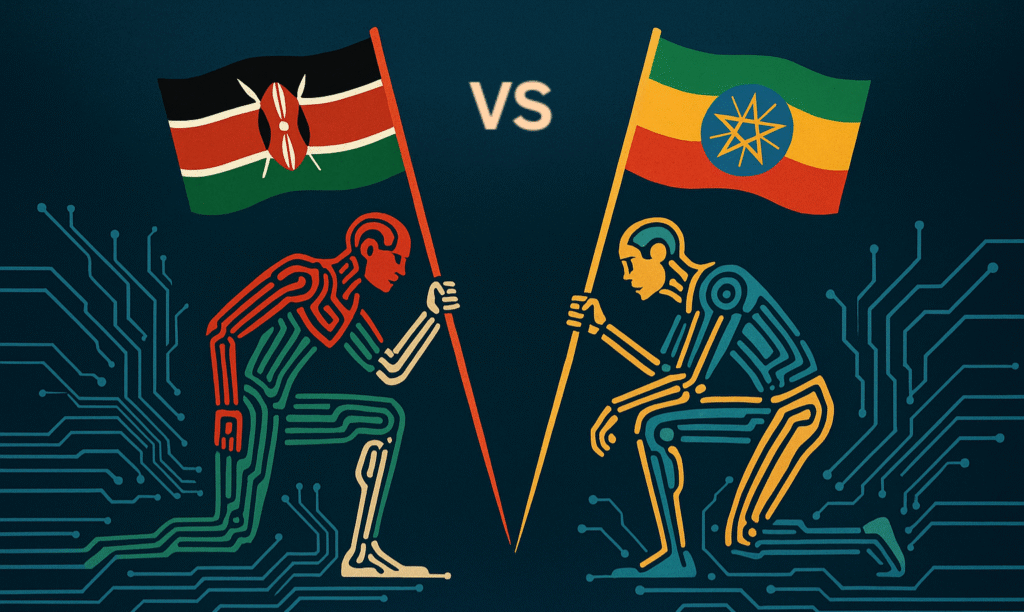
The digital awawerenes deficit is the barrier of our technological generation. We cannot try new and innovative business ideas because of digital deficite
But i think change is inevitable. Having the right data isn’t luxury anymore. We’re already seeing some improvements.