

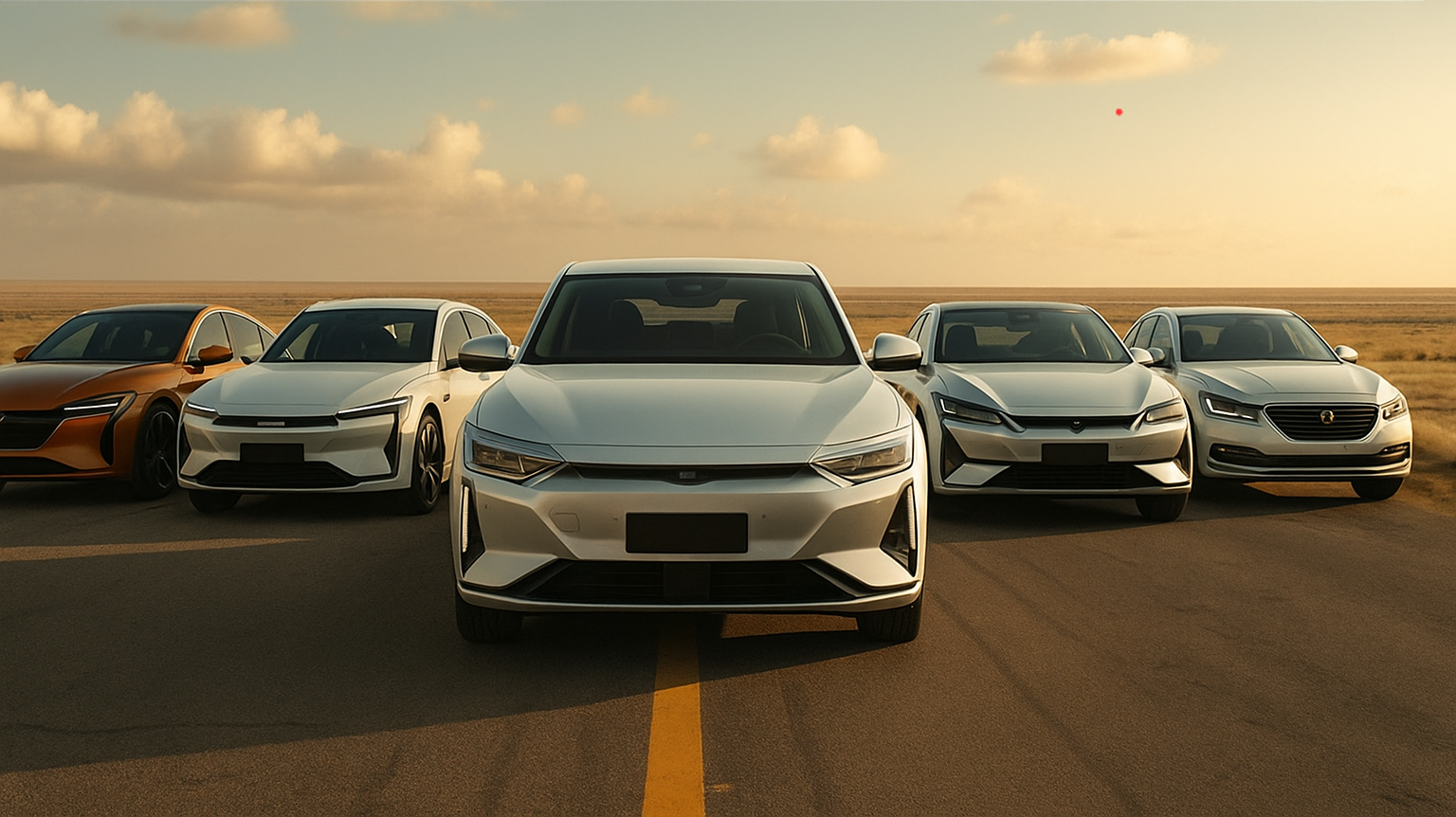
Back in 2018, China’s electric vehicle (EV) boom looked like the next big thing in global manufacturing. Nearly 500 EV makers, from serious innovators to local government backed experiments, crowded into the market according to the Wall Street Journal. Many never got past the prototype phase, but with generous subsidies and easy venture capital, the dream seemed unstoppable.
By 2023, the reality was clear. He Xiaopeng, CEO of XPeng Motors, told investors that only around 50 startups were still active. The wipeout hasn’t stopped. Names like WM Motor, Byton, LeEco EV, Bordrin Motors, HiPhi, Hozon, Voyah, Jiayue, and Neta Motors have shut down plants, filed for bankruptcy, or simply vanished.
How It Got So Bad
Several factors crashed the party. First, Beijing started phasing out its EV subsidies in 2020. Second, Tesla which produces more than 50% of its global cars in Shanghai, triggered a price war in China in 2022 by slashing prices to protect its dominant position.
Once Tesla started cutting, local rivals had no choice but to follow or get left with unsold cars. The result: a race to the bottom that slashed margins to almost zero. By 2024, the price war spread so far that Chinese regulators stepped in, urging automakers to stop “irrational price cutting” that threatened to bankrupt the entire sector.
The chaos didn’t just hit EV makers. Internal combustion engine (ICE) carmakers also slashed prices to stay competitive, worsening the squeeze across the auto industry.
How Many Will Survive?
Investors warn the crisis isn’t over. One investor estimates that barely 1% of China’s original EV startups will survive. AlixPartners predicts that by 2030, only about 15 Chinese EV brands will be financially viable.
Even Tesla, the company that started the price fight, is taking heavy damage. Its global deliveries fell 13% in Q1 2025, then 14% in Q2, its worst drop on record. Another 10% decline is expected by the end of 2025. Profits have cratered too: from $3.3 billion in Q1 2022 to just $409 million in Q1 2025, a 71% collapse.
BYD: The Giant With an Edge, For Now
One giant still stands tall: BYD. It’s forecast to grow sales by 45% this year, smashing records and passing legacy rivals. Some say BYD’s strength mirrors Huawei’s story, when the US blacklisted Huawei in 2019, Beijing threw its weight behind the tech giant, which pivoted fast into chip making and EVs to survive. Similarly, Beijing may see BYD as a national champion worth protecting.
BYD’s advantage is scale and control. It doesn’t just build cars; it makes its own batteries, chips, and increasingly its own shipping fleet. The company has commissioned enormous ro-ro cargo ships to export EVs directly, avoiding global shipping logjams. Meanwhile, Tesla still relies on outside carriers for its exports.
The scale is huge: BYD is building giga-factories the size of a city, even bigger than San Francisco and ten times the size of Tesla’s Gigafactory, a clear signal of its global ambitions.
Still, BYD isn’t invincible. Some analysts warn that the same brutal price war squeezing Tesla could eventually corner BYD too, especially if global demand slows or government backing shifts.
The Global Market Keeps Growing
The paradox? EV demand worldwide is still soaring. Battery electric cars made up 22% of new car sales globally in 2024, up from just 2.6% in 2019. But while the market grows, the fight for profit in China, the world’s biggest EV battleground has never been uglier.
Conclusion
China’s EV sector is facing a brutal collapse. Easy subsidy money has dried up. The hype has turned into a price war so fierce that even the strongest players could go broke. Tesla, BYD, and a handful of others might survive, but the road ahead will be filled with failed dreams and wasted cash.